2026 Best Soy Protein Isolate Suppliers for Global Buyers
Choosing reliable Soy Protein Isolate suppliers requires more than comparing prices on a spreadsheet. Global buyers need consistent protein content, clean processing records, stable supply, and responsive communication. This 2026 guide examines suppliers through practical purchasing criteria, including manufacturing experience, quality systems, product specifications, certifications, and export performance.
The strongest suppliers should provide clear technical data sheets and recent certificates of analysis. Buyers should check protein percentage, moisture, ash, microbiological limits, amino acid profiles, and allergen controls. A dependable partner can also explain its raw material sources and traceability procedures. Small details matter. For example, sealed bags, readable batch codes, and suitable pallet protection can prevent costly problems during ocean transport.
No supplier is perfect. A company may offer excellent laboratory results but struggle with lead times or customized packaging. Another may provide fast delivery while lacking transparent sourcing information. This guide recognizes those trade-offs instead of presenting a simplistic ranking. It encourages buyers to request samples, verify documents, discuss minimum order quantities, and test performance in real formulations before signing long-term contracts. Taste, dispersibility, color, and solubility can vary between batches. They deserve attention.
Reliable decisions require evidence. Supplier visits, independent testing, customer references, and clear contract terms can strengthen confidence. Market conditions may also change quickly in 2026, especially for raw material costs and freight capacity. Therefore, this overview should support professional evaluation, not replace it. The best supplier is the one that consistently matches your product needs, compliance expectations, budget, and delivery schedule.

What Soy Protein Isolate Is and Why Global Buyers Choose It
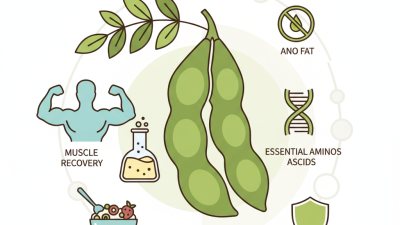
Soy protein isolate is a refined plant protein made from defatted soybeans. Processing removes much of the fiber, oil, and carbohydrate. The result is a light-colored powder with a high protein concentration, often above 90% on a dry basis. It contains all essential amino acids, although its amino acid balance differs from dairy proteins. Buyers should review the specification, not rely on a sales description.
Global buyers choose soy protein isolate for practical reasons. It can improve protein content in beverages, nutrition powders, meat alternatives, bakery products, and meal replacements. Its neutral color supports clean-looking formulas. Its functional properties also help with water binding, emulsification, and texture control. A technical team should test dispersibility in the buyer’s actual process. Small changes in temperature can affect performance.
It is not perfect. Soy is a recognized allergen, and some users may notice a mild beany taste. Testing still matters. Experienced buyers normally request a current certificate of analysis, microbiological results, allergen controls, origin records, and traceability documents. They should also confirm heavy metal limits and applicable food standards before shipment. Packaging matters too: moisture-proof bags can protect powder during long transport and storage. I have seen specifications look complete while leaving solubility unclear. That gap can create costly reformulation work. A reliable supplier should answer those practical questions with measurable data, consistent samples, and clear quality procedures.
Key Quality Standards for Evaluating Soy Protein Isolate Suppliers
Choosing a soy protein isolate supplier requires more than comparing prices. Global buyers should verify protein content, moisture, amino acid profiles, and digestibility through recent laboratory reports. A reliable specification usually states protein levels on a dry basis, testing methods, and acceptable variation between batches.
Food safety evidence matters just as much. Request certificates of analysis for each lot, microbiological results, allergen controls, and heavy metal testing. Traceability should reach the soybean origin and processing date. Suppliers with documented quality systems and independent audits often provide stronger assurance. However, certificates alone are not proof of consistent performance. I have seen technically impressive documents fail to explain small but important testing gaps.
Tips: Ask for production samples, not only brochures. Compare texture, solubility, color, and odor in your own recipe. Check whether the powder disperses after five minutes in cold water. Review packaging strength, shelf-life data, and storage conditions. Clarify minimum order quantities, lead times, and complaint procedures before signing. A video audit can reveal practical details, such as clean loading areas or unclear batch labeling. Do not ignore minor inconsistencies; they may signal larger control problems.
How to Compare Supplier Capacity, Pricing, Certifications, and Lead Times
Choosing the right soy protein isolate supplier requires more than comparing the lowest quotation. Global buyers should examine monthly production capacity, batch consistency, and export experience. Ask for recent production records, not only a polished company profile. A reliable supplier can explain its normal output, peak-season limits, and backup plans.
Pricing should include protein content, packaging, testing, freight terms, and payment conditions. A cheaper offer may exclude laboratory analysis or use different packaging weights. Request samples from several production lots. Check solubility, flavor, color, moisture, and microbiological results. Certifications should match your market, such as food safety systems, allergen controls, and non-GMO documentation where required. Verify certificate numbers and expiry dates independently. Paperwork can look complete and still need closer review.
Tips:
Build a comparison sheet with capacity, price, certifications, minimum order quantity, and lead time. Ask whether the quoted lead time starts after payment, artwork approval, or purchase order confirmation. A practical test order may reveal communication delays, labeling mistakes, or inconsistent powder texture. Suppliers often promise short delivery windows, but port congestion and seasonal demand can change them. Allow safety stock. No supplier performs perfectly every time, so record problems and response speed before signing a long-term agreement.
Top Sourcing Regions for Soy Protein Isolate in 2026
For 2026 sourcing, buyers should separate soybean supply from soy protein isolate capacity. USDA Foreign Agricultural Service estimates global soybean production at over 420 million metric tons in 2024/25. Brazil, the United States, and Argentina remain the largest producing regions. However, abundant beans do not guarantee reliable isolate output.
East Asia remains a major processing hub, supported by established extraction, drying, and formulation infrastructure. China offers broad manufacturing capacity and flexible order volumes. Buyers should verify protein concentration, solubility, microbiological controls, and export documentation for every lot. North America provides strong traceability and mature quality systems. The region suits buyers needing identity-preserved, organic, or non-genetically modified supply. USDA data also shows the United States remains a leading soybean producer, supporting local raw-material access.
South America is attractive for competitive soybean pricing and expanding value-added processing. Brazil has excellent agricultural scale, yet regional isolate capacity can vary by province and facility. Europe is less dominant in soybean production, but it offers advanced food-ingredient processing and convenient access to major consumer markets. The OECD-FAO Agricultural Outlook 2025-2034 expects continued growth in global oilseed demand, supporting long-term investment in processing. Still, trade statistics often group isolates with broader protein products under customs codes. That shortcut is imperfect. Buyers should request plant audits, recent certificates, allergen controls, and three-season supply records before signing contracts. Cost alone is a weak sourcing signal.
2026 Best Soy Protein Isolate Suppliers for Global Buyers
Top Sourcing Regions for Soy Protein Isolate in 2026
Brazil, the United States and Argentina are the leading raw-material sourcing markets because of their large soybean production bases. Soybean production is used here as a transparent proxy for soy protein isolate sourcing capacity; actual isolate availability also depends on processing infrastructure, non-GMO segregation, certification and export logistics. Data references: USDA Foreign Agricultural Service Production, Supply and Distribution database and FAOSTAT, latest complete 2023/24 season estimates.
Import Compliance, Documentation, and Risk Management for Global Orders
For global buyers, selecting a soy protein isolate supplier requires more than checking protein percentage. The OECD-FAO Agricultural Outlook 2024-2033 expects oilseed production to grow steadily, increasing competition for reliable raw materials. Importers should confirm the correct HS classification with customs authorities before shipment. Classification errors can delay clearance or create unexpected duties.
A complete document package should include a commercial invoice, packing list, certificate of analysis, certificate of origin, allergen declaration, and batch traceability records. The Codex General Principles of Food Hygiene recommends HACCP-based controls, but paperwork alone cannot prove factory performance. Request recent microbiological results, heavy-metal testing, pesticide controls, and evidence of corrective actions. Under the World Bank Logistics Performance Index 2023, customs efficiency and shipment timeliness remain major factors in supply-chain reliability. A supplier with attractive pricing may still create expensive delays.
Tips:
Ask for documents before paying deposits. Match every lot number across the invoice, COA, and packaging photos. Check moisture, protein content, microbiological limits, and allergen wording against the destination market. Keep a retained sample when possible. Also, review Incoterms carefully; responsibility for insurance and customs clearance is often misunderstood. A pre-shipment inspection can reduce risk, though it cannot replace supplier qualification. My practical concern is simple: many buyers audit documents once, then stop monitoring. Quarterly reviews, updated regulatory checks, and random testing provide stronger protection.