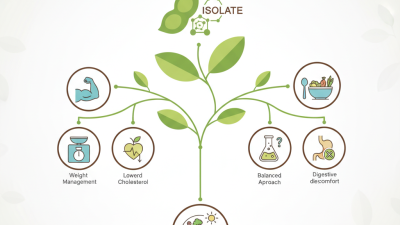
What Are the Benefits of Organic Soy Protein Powder?
Organic Soy Protein Powder has gained significant attention over recent years. Various studies highlight its benefits in nutrition and health. For instance, a report from the Plant-Based Foods Association indicates that the plant-based protein market, including organic options, has grown immensely, with a 27% increase in demand from 2020 to 2021.
One key advantage of Organic Soy Protein Powder is its high protein content. It contains all nine essential amino acids, making it a complete protein source. According to research published in the Journal of Nutrition, soy protein can help reduce cholesterol levels and support heart health. The American Heart Association endorses soy consumption for these very reasons.
However, not all sources of soy are equal. Consumers must be cautious about the quality and sourcing of their products. Many brands advertise organic claims without stringent certification. Thus, it’s crucial to choose products backed by credible certifications and transparency in sourcing. This ensures that consumers receive the true benefits of Organic Soy Protein Powder without compromising their health.
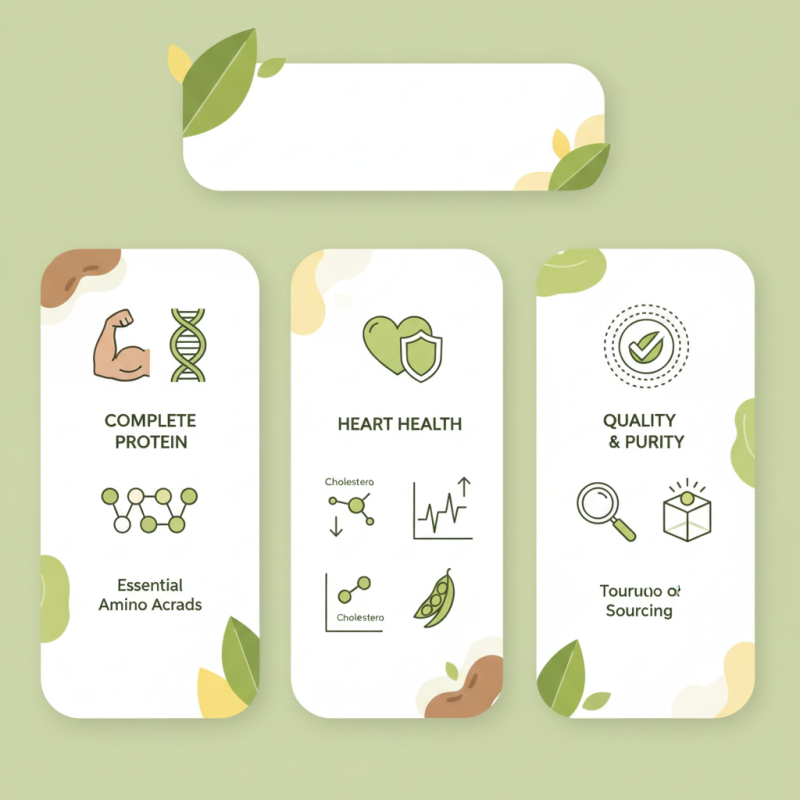
Benefits of Organic Soy Protein Powder for Muscle Building
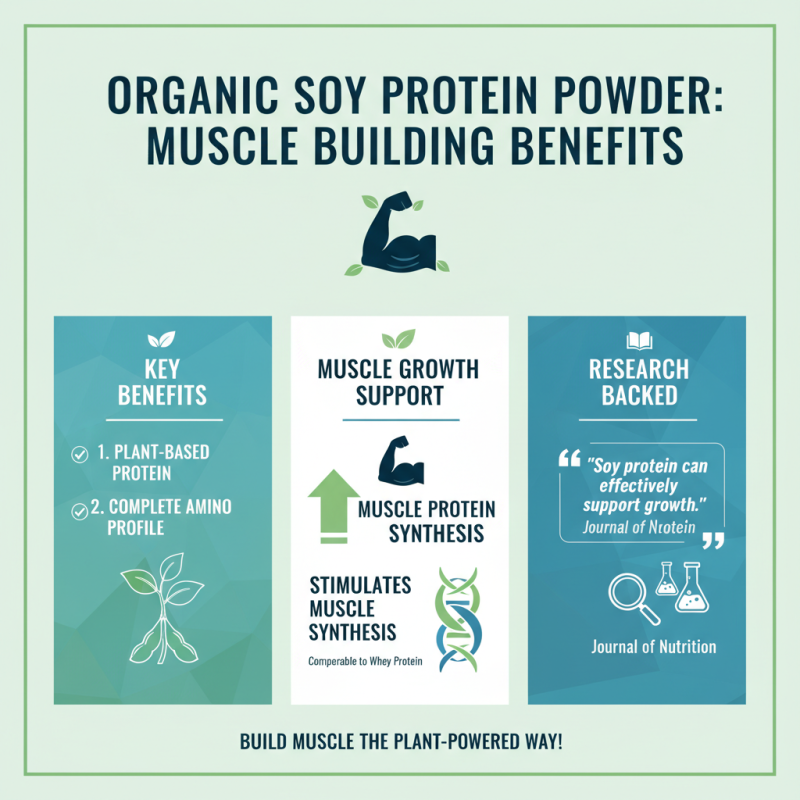
Organic soy protein powder is increasingly recognized for its benefits in muscle building. Studies indicate that soy protein can effectively support muscle growth due to its rich amino acid profile. According to research published in the "Journal of Nutrition," soy protein can stimulate muscle protein synthesis similarly to whey protein. This is significant for those seeking plant-based protein sources.
Incorporating organic soy protein into a diet can aid recovery post-exercise. The body benefits from the high levels of essential amino acids found in soy. A study found that athletes who consumed soy protein after workouts experienced improved recovery and reduced muscle soreness. This makes it an attractive option for fitness enthusiasts and athletes.
However, not all soy protein powders are created equal. The quality can vary based on processing methods and sourcing practices. Some products may contain additives that dilute the benefits. It's essential to choose high-quality organic soy protein to maximize advantages for muscle building. As more evidence emerges, soy protein’s role in muscle development continues to gain recognition, making it a credible choice for those aiming for plant-based nutrition.
Nutritional Profile of Organic Soy Protein Powder
Organic soy protein powder is a nutritious supplement that offers various health benefits. It's packed with essential amino acids, making it an excellent source of protein for vegans and vegetarians. Each serving is rich in protein, fiber, and micronutrients like iron and calcium. This protein source is also low in cholesterol and saturated fats, promoting heart health.
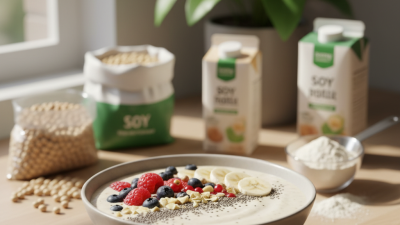
One of the benefits of soy protein is its ability to support muscle growth. Studies have shown that it can help maintain muscle mass during weight loss. Moreover, it's known to aid in recovery post-exercise. Adding it to smoothies or oatmeal can be an easy way to enhance your meals.
Tips: When choosing soy protein powder, look for products labeled organic. This ensures you get a product free from harmful pesticides. Use it in various recipes for a protein boost. Consider mixing it with fruits and nuts for a nutritious snack. Remember to gradually integrate it into your diet to allow your body to adjust.
Comparison of Organic Soy Protein Powder with Other Protein Sources
Organic soy protein powder is gaining popularity as a plant-based protein source. It provides essential amino acids, making it a complete protein. In comparison to whey protein, soy protein has a lower environmental impact. A report by the Food and Agriculture Organization indicates that soybeans require less water and land compared to dairy production.
When looking at other plant-based proteins, such as pea or rice, soy protein stands out in amino acid profile. It contains a significant amount of leucine, critical for muscle synthesis. Research from the Journal of Nutritional Science shows that soy protein can effectively support muscle growth, similar to animal-based proteins.
However, some individuals may have soy allergies. This presents a challenge for those considering soy as a protein source. Additionally, the phytoestrogens in soy are a topic of debate among health professionals. While some studies suggest potential health benefits, others caution against excessive consumption. It's essential to consider individual dietary needs and consult with a healthcare professional before making any changes.
Benefits of Organic Soy Protein Powder - Comparison with Other Protein Sources
| Protein Source |
Protein Content (g per 100g) |
Amino Acid Profile |
Digestibility (% ISD) |
Vegan Friendly |
Health Benefits |
| Organic Soy Protein Powder |
90 |
Complete |
94 |
Yes |
Supports muscle growth, aids heart health |
| Whey Protein |
80 |
Complete |
97 |
No |
Promotes muscle recovery, enhances strength |
| Pea Protein |
85 |
Incomplete |
90 |
Yes |
May support weight loss and heart health |
| Casein Protein |
78 |
Complete |
96 |
No |
Gradual amino acid release, supports muscle growth |
| Rice Protein |
80 |
Incomplete |
86 |
Yes |
Easily digestible, hypoallergenic |
Health Benefits of Organic Soy Protein Powder for Heart Health
Organic soy protein powder offers various heart health benefits. Recent studies suggest that soy protein can reduce LDL cholesterol levels, which is a significant risk factor for heart disease. According to a review published in the Journal of Nutrition, consuming at least 25 grams of soy protein per day may lower cholesterol levels by 10% to 15%. This reduction can lead to a healthier cardiovascular system.
Moreover, soy protein contains isoflavones, which are plant compounds with antioxidant properties. These compounds have been linked to improved blood vessel function and reduced inflammation. A study from the American Heart Association found that participants who consumed isoflavones regularly had lower blood pressure and better arterial health. Including organic soy protein powder in your diet could be a simple yet effective way to support heart health.
However, some individuals may experience digestive issues when increasing their soy intake. It's important to adjust consumption gradually. Additionally, not all soy products provide the same benefits. Choosing high-quality, organic soy protein ensures maximum nutritional value. A thoughtful approach to dietary changes can yield positive outcomes for heart health.
Environmental Impact of Choosing Organic Soy Protein Powder
Choosing organic soy protein powder significantly impacts the environment. Organic farming methods reduce dependency on synthetic pesticides and fertilizers. According to the USDA, organic farming practices enhance soil health. Healthier soil results in better crop yields over time.
Additionally, organic soy farms generally use crop rotation. This method helps maintain biodiversity. Studies show that organic farms support a wider range of species than conventional ones. For instance, a report by the Organic Trade Association highlights that organic farming can increase local wildlife populations.
However, organic soy protein production is not without challenges. Organic certification can be rigorous and costly. Some farmers may struggle to meet these standards. This can limit the availability of organic soy products. It's crucial for consumers to recognize these complexities. While organic soy might seem sustainable, deeper dives reveal a multifaceted picture. The balance between environmental benefits and production realities prompts ongoing reflection.