Which 2026 Amino Protein Powder Types Are Best for Buyers?
Choosing the best 2026 Amino Protein Powder requires more than comparing serving sizes or glossy packaging. Buyers should examine amino acid completeness, leucine content, digestibility, added sugars, allergens, and third-party testing. Grand View Research valued the global protein supplements market at approximately USD 5.83 billion in 2023, with projected growth through 2030. That expansion reflects demand, but not necessarily better formulas. Bigger shelves can still hide weak labels.
Sports nutrition evidence offers a useful reference point. The International Society of Sports Nutrition recommends about 1.4–2.0 grams of protein per kilogram of body weight daily for many exercising adults. However, that guidance concerns total protein intake, not one powder alone. Dr. Stuart Phillips, a leading protein researcher at McMaster University, has emphasized, “The total amount of protein consumed is more important than when you consume it.” His point matters for buyers comparing whey, plant-based blends, collagen, essential amino acids, and branched-chain amino acids.
No single type wins every situation. Whey may suit buyers seeking a complete, leucine-rich option. Plant blends can work well, but their amino acid balance deserves closer inspection. EAA products may help specific users, although they should not automatically replace complete dietary protein. Collagen serves a different purpose and is not a direct muscle-building equivalent. The category remains confusing. I may be oversimplifying some formulas because manufacturers use different serving standards. This guide will compare the leading 2026 types through evidence, label transparency, real-world convenience, and value. The best choice should fit the buyer’s diet, training routine, tolerance, and budget—not merely the loudest marketing claim.
What Amino Protein Powders Are and How They Work
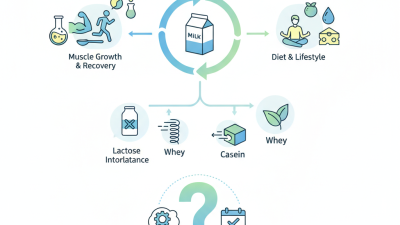
Amino protein powders deliver protein as intact chains, hydrolyzed peptides, or individual amino acids. Digestion breaks these forms into amino acids for muscle repair, enzymes, and other body functions. Complete protein powders contain all nine essential amino acids. Free-form formulas may focus on selected EAAs or BCAAs. The difference matters. BCAAs alone may not provide enough building blocks for muscle protein synthesis.
The National Academies’ Dietary Reference Intakes report sets the adult protein reference at 0.8 grams per kilogram of body weight daily. The International Society of Sports Nutrition recommends about 1.4–2.0 grams per kilogram for exercising adults, according to its Journal of the International Society of Sports Nutrition position stand. These figures describe total daily protein, not just powder. Not magic. A scoop cannot repair an inadequate diet, poor sleep, or inconsistent training.
For 2026 buyers, the best type depends on digestion, diet, and training demands. A complete powder suits people seeking convenient daily protein. Hydrolyzed protein may feel lighter after training, although the evidence does not guarantee superior results. Plant-based buyers should check amino acid variety and serving protein. Read the label. Look for protein grams, EAA details, added sweeteners, allergens, and independent quality testing. I still view flashy amino claims cautiously because serving sizes can hide weak formulas. Personal tolerance also matters; bloating is useful feedback, not a failure.
Which 2026 Amino Protein Powder Types Are Best for Buyers?
Amino protein powders supply dietary protein that is digested into amino acids. The chart compares typical leucine and branched-chain amino acid (BCAA) content per 25 g of protein across common, brand-neutral powder types.
Whey-based powders generally provide the highest leucine and BCAA levels, while soy, pea, and rice powders can still contribute meaningful amino acids. Values are typical food-composition estimates and vary with processing and formulation.
Which Amino Protein Powder Types Will Be Available in 2026
In 2026, buyers will likely find several amino protein powder types on the market. Whey isolate should remain popular because it provides complete protein with relatively low lactose. Whey concentrate may cost less, but its lactose and fat levels can vary. Casein powders will suit buyers who prefer slower digestion, especially for evening use. That timing is not magic, though.
Plant-based blends should become more common. Pea and rice protein are often combined to improve their essential amino acid balance. Soy protein may also remain available, while newer formulas could use fava bean, potato, or pumpkin seed protein. These options may help people avoiding dairy or eggs. However, plant powders can differ greatly in texture, taste, and leucine content. I have found that a smooth label does not guarantee a smooth shake.
Egg protein may serve buyers who want a dairy-free complete protein. Collagen-based powders will also appear, but they should not be treated as equal replacements for muscle-building protein. Collagen lacks some essential amino acids. Hybrid formulas may combine whey, plant protein, and targeted amino acids for a broader profile.
Buyers should check protein grams, leucine content, added sweeteners, allergen statements, and independent testing. A 2026 product may look advanced, yet unclear testing information remains a warning sign. Personal tolerance matters too; digestive discomfort can outweigh an impressive ingredient list.
How Different Amino Protein Powders Compare for Buyer Needs
Which 2026 Amino Protein Powder Types Are Best for Buyers?
Different amino protein powders suit different routines, digestion patterns, and budgets. Whey isolate usually offers high protein density with less lactose than concentrate. Hydrolyzed whey breaks proteins into smaller chains, but it may taste bitter and cost more. For muscle recovery, the International Society of Sports Nutrition recommends about 1.4–2.0 grams of protein per kilogram of body weight daily for active adults. A powder helps fill gaps, not replace meals.
Plant blends can serve vegan buyers or people avoiding dairy. Combining pea and rice proteins improves the amino acid balance compared with using one plant source alone. Still, texture can feel gritty in a shaker. Collagen powder is different. It supports connective-tissue protein intake but is not a complete muscle-building protein. Buyers should not treat it as a direct substitute for whey or a complete plant blend. Small detail, big difference.
Grand View Research estimated the global protein supplements market at about USD 5.8 billion in 2023, with continued growth expected through 2030. That expansion brings more formulas, but not always better evidence. Check protein grams, leucine content, added sugar, allergen statements, and independent testing. The FAO’s DIAAS framework also reminds buyers that protein quality depends on digestible essential amino acids, not just the front-label protein number. I still find flavor claims unreliable. A sample sachet can prevent an expensive mistake.
Which Ingredients and Quality Factors Should Buyers Check
Choosing an amino protein powder in 2026 requires more than counting grams on the front label. Check whether the powder provides complete protein or mainly isolated amino acids. A complete profile should include essential amino acids, especially leucine, isoleucine, and valine. Leucine matters for muscle protein synthesis, but more is not always better. The serving size must match the actual amino acid amounts.
Read the ingredient panel carefully. Look for clear protein sources, such as whey, milk, egg, soy, pea, or rice. Buyers with allergies should check shared-facility warnings, not only the main ingredients. Artificial sweeteners, sugar alcohols, and heavy flavoring may cause digestive discomfort. Small details matter. A short ingredient list helps, but it does not automatically prove higher quality.
Reliable products should show batch identification, expiration dates, and independent testing for contaminants, including heavy metals and undeclared substances. Testing certificates should be accessible and specific, rather than hidden behind vague quality claims. I also compare the laboratory method and test date when available. Labels can still confuse me, especially when protein and free-form amino acids are presented together. That is a weakness worth questioning. Buyers should consider dietary goals, digestion, allergies, and total daily protein intake before choosing a powder. Convenience is useful, but transparent evidence deserves more trust.
How to Choose the Best Amino Protein Powder for Your Goals
Which 2026 Amino Protein Powder Types Are Best for Buyers?
Choosing the best amino protein powder starts with your actual goal, not the most attractive label. For muscle growth, select a complete protein providing all nine essential amino acids. Whey isolate digests quickly and usually contains high leucine levels. Casein releases amino acids more slowly, which may suit evening use. Plant-based buyers should consider blended sources, such as pea and rice, because one plant protein may lack enough of certain amino acids. Read the label.
For weight management, prioritize protein per serving, moderate calories, and limited added sugar. Hydrolyzed powders may digest more easily, but they often cost more and are not automatically better. If you train early, a simple serving with water can be practical. If you train after a meal, extra amino acids may add little value. That matters.
I examine the ingredient panel, serving size, amino acid profile, allergen statements, and independent testing documentation before recommending a product. Look for clear amounts of leucine, rather than vague “amino support” claims. Also check whether the powder contains stimulants, excessive sweeteners, or unnecessary herbal blends. My judgment has changed over time: convenience matters, but taste and digestion determine whether people use protein consistently. No powder is perfect. Buyers with kidney disease, pregnancy, allergies, or prescribed diets should ask a qualified healthcare professional first. A smaller tub can be wiser than a large purchase when tolerability remains uncertain.