How to Choose the Best Isolate Protein Powder for Your Needs?
Choosing the right isolate protein powder can be daunting. With many options available, it’s essential to understand your specific needs. Not all isolates are created equal. Each brand offers different flavors, ingredients, and sourcing methods.
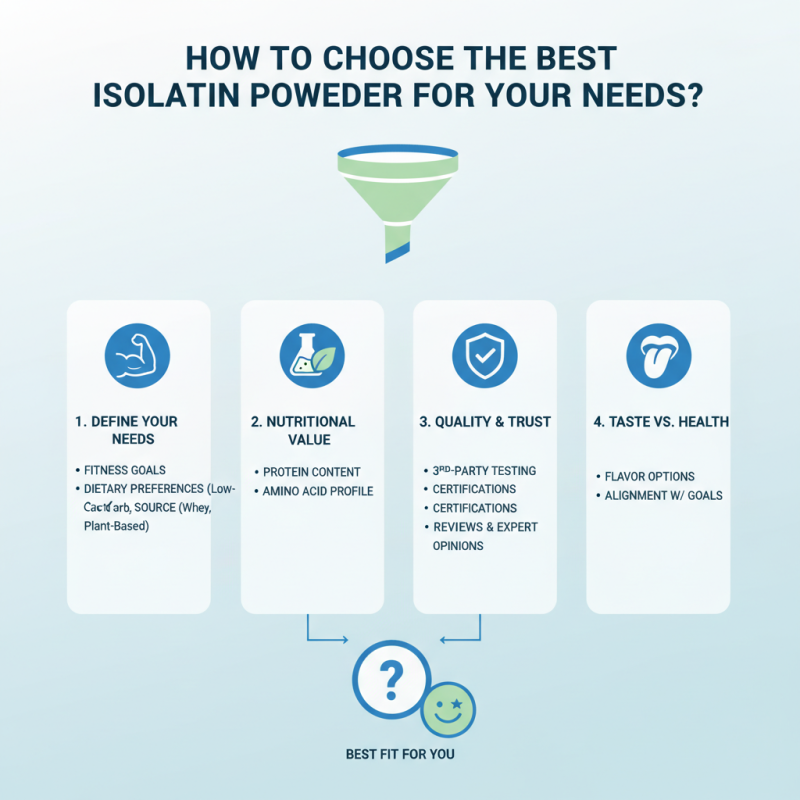
Consider your fitness goals and dietary preferences. Do you need a low-carb option? Maybe you're lactose intolerant. An isolate protein powder is often whey-based, but plant-based alternatives exist. Research the protein content and amino acid profiles. This ensures you’re getting the best nutritional value.
Look for third-party testing and certifications. These factors add credibility to a brand. Reviews and expert opinions help too. While some powders may taste great, they might not meet your health goals. Reflecting on these elements is key to finding the best fit for you.
Understanding Isolate Protein: What It Is and How It Differs
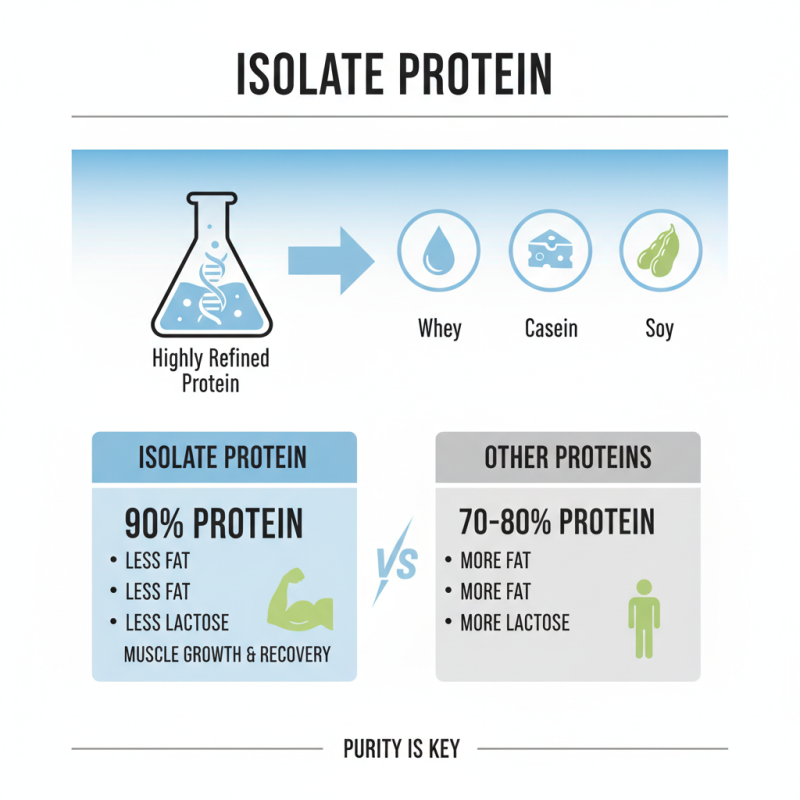
Isolate protein is a highly refined form of protein. It is derived from various sources, such as whey, casein, or soy. The key difference lies in its purity. Isolate protein can contain up to 90% protein content. This means less fat and lactose compared to other forms. For many, this is an attractive option for muscle recovery and growth.
Understanding how isolate protein works is crucial. It undergoes a process called microfiltration or ultra-filtration. This method removes many carbohydrates and fats. What remains is a concentrated protein source. This makes it easier for the body to digest and absorb. Athletes often favor this form due to its quick absorption rate. However, some may experience digestive issues. Individual responses vary, and experimenting is essential.
Selecting the right isolate protein may require some trial and error. Consider your dietary restrictions and goals. Some isolates might provoke allergies or intolerances. Reading labels can uncover hidden ingredients. Opt for brands that prioritize transparency in their sourcing and processing methods. Always consult with a healthcare professional before making dietary changes. This can enhance your understanding of your body’s unique needs.
Evaluating Your Dietary Needs: Why Protein Type Matters
When considering protein powder, understanding your dietary needs is essential. Not all proteins are created equal. Various types, including whey, casein, and plant-based options, provide different benefits. Whey protein is fast-absorbing, ideal for post-workout recovery. In contrast, casein digests slowly, making it suitable for overnight muscle repair. Plant-based proteins, like pea or hemp, cater to vegans or those with lactose intolerance.
Evaluating your daily protein intake is crucial. Do you aim for muscle gain, weight loss, or maintenance? Your specific goal may dictate the protein type to choose. For some, a blended protein could provide a balanced amino acid profile. Others might find that a single source better meets their needs. It's worth noting that individual preferences and digestive responses can influence your choice. Not everyone tolerates the same proteins. Experimentation may be necessary to find what works best. Testing different types can help pinpoint your ideal option, highlighting the importance of personalized nutrition.
Protein Powder Type Comparison
Key Factors to Consider When Choosing Protein Isolate Powder
When selecting the best isolate protein powder, several key factors significantly influence your choice. First, consider the source of the protein. Popular sources include whey, soy, and pea. Each offers different amino acid profiles. According to a 2020 sports nutrition report, whey protein is renowned for its high leucine content, crucial for muscle recovery. Soy protein, being plant-based, serves as an excellent alternative for vegetarians and vegans.
Next, pay attention to the protein content per serving. High-quality isolate powders typically contain 90% protein or more. This figure directly affects your dietary goals. A study published in the Journal of Nutrition highlighted that consuming at least 20 grams of protein post-workout optimizes muscle synthesis. Additionally, check for added ingredients. Some powders contain fillers or sugars, which may hinder your fitness objectives. Consumers should aim for formulations that prioritize pure protein without unnecessary additives.
Finally, testing different proteins may be essential. Personal preferences vary. While some may appreciate the taste of one product, others may dislike it entirely. Keep in mind that digestibility is another factor. Some people experience bloating with certain protein types. Regular self-assessment during your fitness journey will help you identify what works best for you.
Reading Labels: How to Decipher Ingredient Lists Effectively
Reading labels on isolate protein powders can seem overwhelming, but it doesn't have to be. Start by identifying the protein source. Look for whey, casein, or plant-based options. Each type offers different absorption rates and benefits. For example, whey protein is quick to absorb, while casein digests slowly. Consider your dietary preferences.
Next, check the ingredients list. Shorter lists are generally better. Aim for products with minimal additives or fillers. Added sugars can sneak in, so keep an eye out. They can significantly affect the overall nutritional profile. Also, look for artificial colors or flavors. This can indicate lower-quality products.
Be wary of protein concentration. A good isolate should be at least 90% protein. Higher percentages indicate superior quality. However, some manufacturers may exaggerate their claims. Always cross-reference with third-party testing for verification. Don't forget to check for allergens if you have sensitivities. This attention to detail can help you avoid unwanted effects. An informed decision starts with understanding what’s in the product you choose.
Assessing Quality: Brand Reputation and Third-Party Testing
When selecting an isolate protein powder, brand reputation and third-party testing should be at the forefront of your decision-making. A brand with a strong reputation often signifies quality and trust. This is crucial, especially in today's market, where many products can be misleading. Look for brands with a history of positive feedback and experience. Consider how many years they've been in the industry. Longevity often reflects reliability.
Third-party testing serves as an essential checkpoint. Products tested by independent labs can assure you of their purity and potency. This testing can reveal if the product matches its nutritional claims. Not all brands invest in this level of transparency. So, take time to research which brands prioritize this practice. They often display their test results publicly. If they don’t, it may signal a lack of confidence in their product.
Quality also varies, even among reputable brands. Some may focus more on marketing than on ingredient integrity. Researching ingredient sources can help you understand what you’re putting into your body. Are the ingredients natural? Are they free from additives? Asking these questions can guide you toward a protein powder that aligns with your health goals. It's beneficial to be mindful and critical of the options available.