Why Protein Concentrate is Essential for Your Health and Fitness Goals?
Protein Concentrate plays a vital role in achieving health and fitness goals. It is a highly concentrated source of protein that helps build and repair muscles. For athletes, this means improved performance and faster recovery. However, many people overlook its importance in their daily diets.
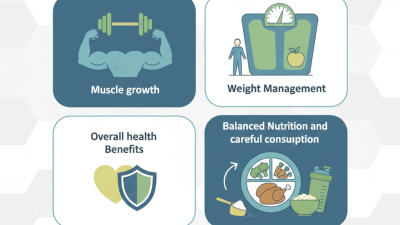
Incorporating Protein Concentrate can enhance nutritional intake. It's not just for bodybuilders; everyday fitness enthusiasts can benefit from it too. Protein supports weight management by promoting satiety. This means you feel full longer, helping to control cravings.
Despite its benefits, some may rely too heavily on supplements. Whole food sources should not be ignored. A balanced diet is essential for overall health. Reflecting on one’s dietary choices is crucial. Using Protein Concentrate wisely can lead to significant improvements. Balancing it with whole foods ensures you meet your nutritional needs effectively.
The Role of Protein Concentrate in Muscle Development and Recovery
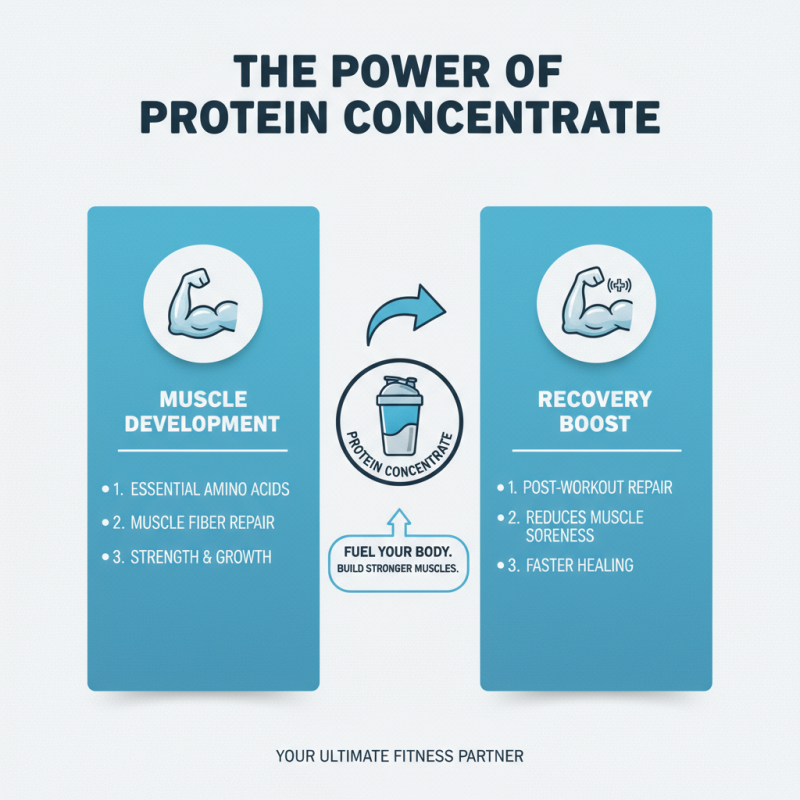
Protein concentrate plays a significant role in muscle development and recovery. It provides essential amino acids needed for muscle repair after workouts. When you engage in intense exercise, your muscles undergo stress. This stress can lead to tiny tears in muscle fibers. Consuming protein concentrate helps to heal these tears and build stronger muscles.
Furthermore, protein concentrate aids in recovery. After a tough workout, your body craves nutrients. A protein-rich shake can be convenient and effective. It delivers the necessary building blocks quickly. Muscle soreness often hinders performance. With adequate protein, recovery speeds up, allowing you to return to your routine.
However, not everyone uses protein concentrate correctly. Some people rely too heavily on it. Balance is key in any diet. Whole foods should still play a major role. It's important to reflect on your overall intake. Over time, understanding your body’s needs will lead to better health outcomes. Listen to your body, and adjust your protein consumption accordingly.
Comparing Protein Concentrate to Other Protein Sources: Key Differences
When we look at protein sources, protein concentrate stands out. It offers a higher protein content than many alternatives. For instance, whey protein concentrate often contains 70-80% protein. In contrast, whole food sources like chicken contain about 25%. This significant difference can greatly impact muscle recovery and growth.
Plant-based proteins like pea or soy typically have lower protein percentages as well. They might range from 50-70% protein content. However, they also contain fiber and essential nutrients. The choice between these options often depends on dietary preferences. Some may seek more protein, while others might prefer the added benefits of whole foods.
Individuals aiming for specific fitness goals may need to consider their intake carefully. A report from the International Society of Sports Nutrition highlighted that protein intake is crucial for muscle maintenance. Yet over-reliance on protein concentrates could lead to nutrient imbalances. It's essential to reflect on personal dietary needs and not overlook other nutritional sources.
Why Protein Concentrate is Essential for Your Health and Fitness Goals? - Comparing Protein Concentrate to Other Protein Sources: Key Differences
| Protein Source |
Protein Content (per 100g) |
Essential Amino Acids |
Digestibility (PDCAAS) |
Fat Content (g) |
Carbohydrates (g) |
Typical Uses |
| Whey Protein Concentrate |
70-80g |
Complete |
1.0 |
7g |
5g |
Muscle Recovery, Weight Loss |
| Soy Protein Isolate |
90g |
Complete |
0.9 |
1g |
3g |
Vegan Protein, Hormone Balance |
| Egg White Protein |
80g |
Complete |
1.0 |
0.5g |
1g |
Muscle Gain, Meal Replacement |
| Hemp Protein |
50g |
Incomplete |
0.5 |
8g |
10g |
Plant-Based, Fiber Source |
| Casein Protein |
70-80g |
Complete |
1.0 |
0.5g |
4g |
Sustained Release, Snacking |
The Impact of Protein Concentrate on Weight Management and Satiety
Protein concentrate plays a crucial role in weight management and promoting feelings of fullness. It offers a concentrated source of protein that can help curb cravings and stabilize blood sugar levels. When included in meals and snacks, it can effectively increase satiety. This immediate sense of fullness may lead to consuming fewer calories overall.
To maximize the benefits of protein concentrate, consider incorporating it into smoothies or oatmeal. These easy additions boost protein content without overwhelming flavor. You can blend a scoop with fruits and vegetables. This practice keeps you energized while controlling hunger.
Another tip is to pay attention to your timing. Consuming protein after workouts can enhance recovery and muscle growth. However, don’t overlook its potential at breakfast. A protein-rich meal in the morning may curb appetite throughout the day. Reflect on your daily protein consumption. Are you getting enough? Adjusting your intake may improve not just your physique, but also your overall well-being.
Protein Concentrate Impact on Weight Management and Satiety
Evidence-Based Benefits of Protein Concentrate for Athletic Performance
Protein concentrate plays a significant role in enhancing athletic performance. Research shows that athletes require more protein to support muscle recovery and growth. A study published in the Journal of Sports Science found that protein intake can improve strength gains by up to 20%. This is crucial for those engaged in regular, intense training.
When considering protein sources, concentration matters. Studies suggest that protein concentrate provides a higher amino acid profile than other sources. These amino acids are essential for muscle repair and growth. For instance, branched-chain amino acids (BCAAs) are known for reducing muscle soreness after workouts. This means athletes can train harder and recover faster.
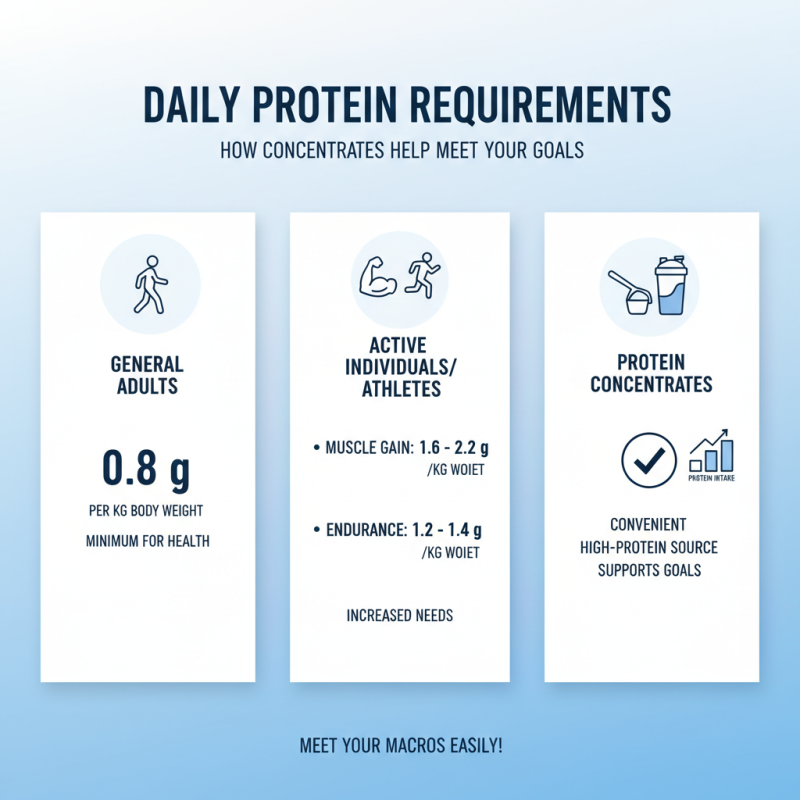
Despite these benefits, many people still underconsume protein. A report from the International Society of Sports Nutrition highlights that athletes should consume 1.2 to 2.2 grams of protein per kilogram of body weight. This can be challenging for some. A lack of awareness or poor dietary choices may lead to insufficient intake. Addressing these gaps is essential for reaching fitness goals.