Are Soy Protein Shakes the Best Choice for Your Diet?
In recent years, Soy Protein Shakes have gained immense popularity among health enthusiasts. Many people are turning to these shakes as a convenient source of protein. They offer a plant-based alternative to traditional dairy or whey protein options. This shift reflects a broader trend towards healthier dietary choices.
Soy Protein Shakes are rich in essential amino acids, making them a reliable source of nutrition. They are particularly appealing to vegetarians and vegans. Yet, not everyone agrees on their benefits. Some studies raise concerns about soy's effects on hormone levels. This discrepancy can lead to confusion about including these shakes in a balanced diet.
Despite these mixed opinions, Soy Protein Shakes can play a valuable role. They may assist in muscle recovery and weight management. It is crucial, however, to balance their intake with other protein sources. Personalized nutrition remains key in achieving optimal health outcomes. By considering both the benefits and potential drawbacks, individuals can make informed dietary choices that suit their lifestyle.
Understanding Soy Protein: Nutritional Profile and Benefits
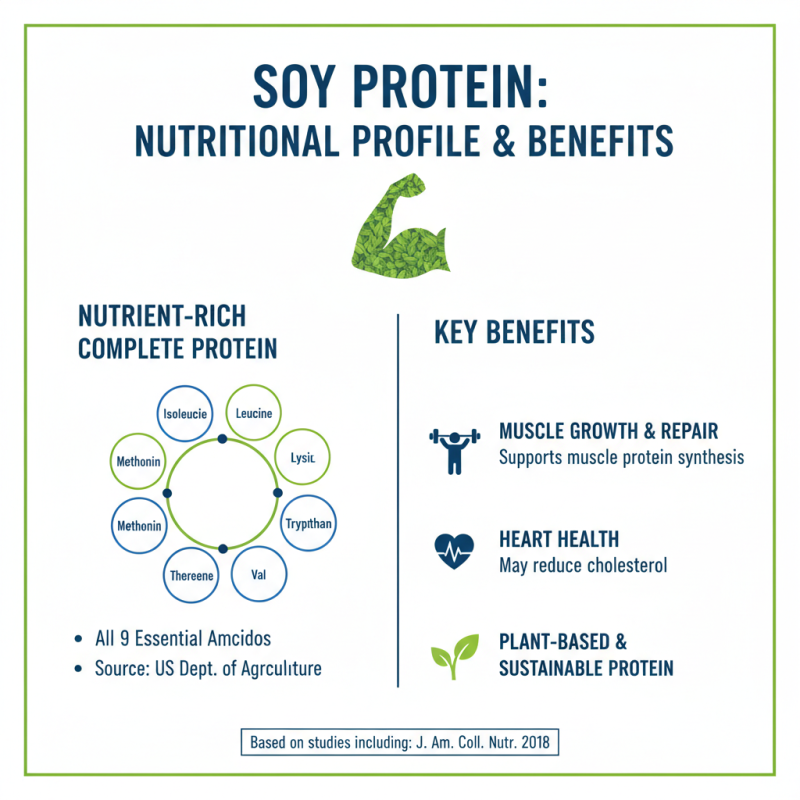
Soy protein is gaining attention in the health and fitness industry due to its nutritional benefits. According to the U.S. Department of Agriculture, soy protein contains all nine essential amino acids, making it a complete protein source. This quality is crucial for muscle repair and growth, essential for active individuals. A 2018 study published in the Journal of the American College of Nutrition highlights that soy protein can effectively support muscle protein synthesis, similar to whey protein.
Moreover, soy protein offers additional health benefits. Research indicates it can help lower cholesterol levels, significantly reducing heart disease risk. The American Heart Association notes that consuming soy protein may decrease LDL cholesterol by 3–5%. This statistic illustrates soy's potential role in a heart-healthy diet, but it's important to consider personal health needs. Some individuals may experience allergies or gastrointestinal discomfort when consuming soy.
While soy protein shakes can be a beneficial addition for many, individual preferences and dietary needs vary. Not everyone may find soy protein appealing or suitable. It's essential to reflect on these aspects before making a decision. Incorporating a variety of protein sources into your diet is often recommended for optimal nutrition.
Comparing Soy Protein Shakes to Other Protein Sources
Soy protein shakes have gained popularity as a dietary option, often compared to whey and casein proteins. Research shows that soy protein can help lower cholesterol levels. A study published in the Journal of Nutrition found that consuming 25 grams of soy protein daily can significantly reduce LDL cholesterol by 5-10%. This benefit is crucial for heart health.
In terms of muscle building, whey protein is often preferred due to its rapid digestion. However, soy protein contains all nine essential amino acids. This makes it a complete protein source, suitable for both vegetarians and vegans. According to a report by the American Journal of Clinical Nutrition, individuals who consume plant-based proteins may experience similar strength gains as those using whey.
All protein sources have pros and cons. While soy can contribute to a balanced diet, some individuals may experience digestive discomfort. Personal tolerance is key. Choosing the right protein source depends on individual dietary needs and goals. Consideration of personal health conditions is also vital in making the best choice.
Potential Health Risks and Considerations of Soy Consumption
When considering soy protein shakes, potential health risks should be taken seriously. While these shakes are often touted for their protein content, soy consumption can have drawbacks. Some individuals may experience digestive issues, such as bloating or gas, after consuming soy. This is particularly true for those with sensitivities or allergies to soy products.
Additionally, there are concerns about the phytoestrogens in soy. These compounds mimic estrogen in the body, which can affect hormonal balance. Some research suggests that high soy intake may influence hormone-dependent conditions, such as breast cancer. It's crucial to be aware of your personal health history and consult with a healthcare provider if necessary.
Tips: Consider moderation when incorporating soy into your diet. A balanced approach can be more beneficial than relying solely on soy protein shakes. Pay attention to how your body reacts after consuming soy. Tracking your food intake might shed light on any adverse effects. Always opt for non-GMO soy products when possible, as this can reduce exposure to certain pesticides.
Are Soy Protein Shakes the Best Choice for Your Diet? - Potential Health Risks and Considerations of Soy Consumption
| Aspect |
Details |
| Protein Content |
High in complete protein, around 20g per serving |
| Isoflavones |
Contains phytoestrogens, may mimic estrogen in the body |
| Allergies |
Common allergen; may cause reactions in sensitive individuals |
| Cholesterol |
Cholesterol-free, beneficial for heart health |
| Digestibility |
Easily digestible for most people |
| Hormonal Effects |
May interfere with hormonal balance if consumed excessively |
| Environmental Impact |
More sustainable compared to animal-based proteins |
The Role of Soy Protein in Weight Management and Muscle Building
Soy protein is gaining attention for its potential benefits in
weight management
and muscle building. Many individuals are considering it as a healthy alternative to whey protein. Soy protein contains all essential amino acids, which are vital for
muscle repair and growth. It also offers a significant amount of protein per serving, making it an excellent choice for post-workout recovery.
However, results can vary based on individual body types and diets. For some, soy protein may lead to digestive discomfort. It's important to monitor your body's reaction. Additionally, not everyone achieves the same muscle-building results with soy as with other protein sources.
Experimentation is key. Finding the right balance in your diet is essential.
Tip: When incorporating soy protein shakes, start with smaller servings. This helps assess tolerance and effectiveness.
Also, consider mixing soy protein with other protein types. This can optimize muscle recovery and weight management.
Pay attention to your overall dietary habits. A well-rounded diet will always support your protein intake goals more effectively.
How to Incorporate Soy Protein Shakes into Your Daily Diet
Incorporating soy protein shakes into your daily diet can be beneficial for many individuals. They offer a plant-based protein source, which is great for muscle recovery. You can add a shake to your breakfast routine for an easy start. Mix it with fruits, like bananas or berries, to create a nutritious smoothie. This combination boosts energy and adds fiber to your meal.
For those who workout, a post-exercise shake is a powerful choice. It helps in muscle repair and promotes better recovery. You could mix soy protein powder with water or almond milk for a quick option. Keep in mind that taste preferences vary, and not every shake will suit your palate. Experimenting with different ingredients, such as spinach or nut butter, can make it more appealing.
However, it's essential to reflect on how much protein you actually need. Overconsumption can lead to unwanted health issues. Monitor your overall dietary intake and adjust accordingly. Soy protein shakes are effective, but they shouldn’t replace whole foods entirely. Balance and moderation are key to a healthy diet.