What Are the Top 10 Types of Weight Protein Powder?
Choosing the right Weight Protein Powder can feel confusing when every package promises faster results. Protein isolate, concentrate, mass gainer, plant blends, and casein all serve different purposes. Their ingredients, calories, digestion speed, and texture can vary widely.
This guide introduces ten common types and explains where each option may fit. It considers protein quality, serving size, added sugar, fiber, allergens, and third-party testing. These details matter more than bright packaging. A scoop containing 25 grams of protein may also contain 300 calories, artificial sweeteners, or little nutritional value.
Practical experience often reveals what labels miss. A thick shake may feel satisfying after training, while a gritty plant formula may remain untouched in the cupboard. That matters. A product is useful only when someone can tolerate it and use it consistently. Still, personal preference cannot replace professional guidance. Registered dietitians, sports nutrition researchers, and reputable health organizations offer stronger foundations for informed decisions.
The rankings in this article are not universal rules. Individual goals, dietary restrictions, activity levels, and existing health conditions can change the best choice. Some readers may need extra calories, while others only need convenient protein. I have also learned that “more protein” does not automatically mean better progress. That assumption deserves careful thought. Each section will compare benefits, limitations, typical ingredients, and practical serving ideas, helping readers evaluate Weight Protein Powder with clearer expectations and safer judgment.
What Is Weight Gain Protein Powder and How Does It Work?
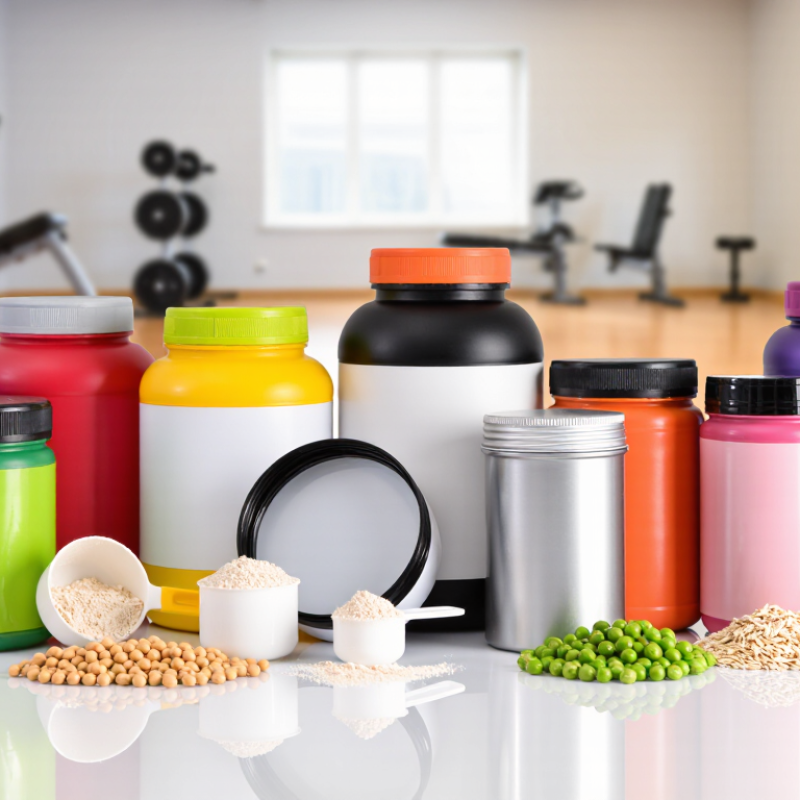
Weight gain protein powder is a calorie-dense supplement designed to support gradual weight gain. It usually combines protein with carbohydrates, fats, vitamins, or minerals. Regular protein powder mainly supplies protein. A weight gain formula supplies much more energy per serving.
It works by helping you maintain a consistent calorie surplus. If your body receives more energy than it uses, weight may increase over time. Protein supports muscle repair after resistance training, while carbohydrates help fuel workouts. However, the powder cannot build muscle by itself. Training, sleep, digestion, and daily meals still matter. A dietitian may recommend adjusting the serving size based on body weight, appetite, and health history. Start with half a serving if large shakes cause bloating. It is easy to underestimate liquid calories. Check the label for protein, added sugar, fiber, and serving size. Some products contain more sugar than expected.
Tips: Blend the powder with milk, oats, yogurt, or a banana for a thicker shake. Drink it between meals instead of replacing every meal. Keep a simple food log for one week. Notice your energy, digestion, and weight changes. If progress feels too fast, reduce the portion. If nothing changes after several weeks, review your total food intake. A calorie surplus does not need to feel uncomfortable. Clearance from a healthcare professional is sensible for people with kidney, liver, digestive, or metabolic conditions.
What Are the Top 10 Types of Weight Gain Protein Powder?
What Are the Top 10 Types of Weight Gain Protein Powder?
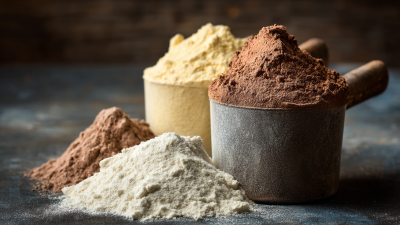
Weight gain protein powder works best when it supports a consistent calorie surplus and adequate training. The ten common types include whey concentrate, whey isolate, casein, milk protein blends, egg white, soy, pea, rice, hemp, and calorie-dense mass gainers. Each provides a different balance of protein, digestion speed, calories, and dietary suitability. Whey concentrate usually costs less, while whey isolate contains less lactose. Casein digests slowly, making it useful between meals or before sleep.
Plant-based options can support weight gain too. Soy provides a complete amino acid profile, while pea and rice protein can complement each other. Hemp offers protein with some healthy fats, but its texture may feel gritty. Egg white powder is naturally dairy-free and typically low in fat. Milk protein blends combine faster and slower proteins. Read the label carefully.
A mass gainer usually combines protein with carbohydrates and sometimes fats, creating more calories per serving. This can help people who struggle to eat enough, although oversized servings may cause bloating. I have found that smaller portions are often easier to tolerate. The best choice depends on allergies, digestion, budget, and daily calorie needs. Check protein amounts, added sugar, fiber, and independent quality testing. More calories are not automatically better. Progress can stall when powder replaces balanced meals, vegetables, and ordinary food.
How Do These Protein Powders Differ in Nutrition and Ingredients?
Protein powders differ mainly in amino acids, digestion speed, calories, and added ingredients. Whey concentrate usually contains about 70–80% protein, with some lactose and fat. Whey isolate is more filtered, so it offers more protein and less lactose. Whey hydrolysate is partly broken down for faster digestion, though its bitter taste may disappoint some users. Casein digests slowly and forms a thicker texture, making it useful between meals.
Egg protein provides all essential amino acids without dairy. Soy protein is also complete and often contains moderate fiber. Pea protein supplies plenty of protein but has less methionine, so it is commonly paired with rice protein. Rice protein is dairy-free and easy to digest, yet its lysine content is lower. Hemp protein adds fiber and minerals, but its protein percentage is usually lower. Beef-derived protein powders can provide amino acids, although some are collagen-based and do not replace a complete muscle-building protein. Collagen powder supports connective tissue, but it is not a complete protein.
I compare serving size, leucine content, sweeteners, gums, and independent testing before choosing. A short ingredient list helps, but it does not guarantee better nutrition. I once focused only on protein grams and ignored added sugar and stomach comfort. That was a poor test. People with lactose intolerance may prefer isolate or plant options. Those with allergies, kidney conditions, or restricted diets should seek qualified medical advice. Even “natural” powders can contain unwanted contaminants without reliable quality control.
What Are the Top 10 Types of Weight Protein Powder? - How Do These Protein Powders Differ in Nutrition and Ingredients?
| Protein Type |
Typical Protein
per 30 g |
Calories
per 30 g |
Carbohydrates
per 30 g |
Fat
per 30 g |
Primary Ingredients |
Nutritional Characteristics |
Best Suited For |
| Whey Protein Concentrate |
20–24 g |
110–130 kcal |
2–5 g |
1.5–3.5 g |
Milk-derived whey, naturally containing lactose and milk proteins |
Complete protein with all essential amino acids; naturally rich in leucine |
General fitness and muscle-support diets where moderate lactose is acceptable |
| Whey Protein Isolate |
24–27 g |
100–120 kcal |
0–2 g |
0–1.5 g |
Highly filtered whey protein with most lactose and milk fat removed |
High protein density and complete amino acid profile; usually lower in lactose than concentrate |
Low-lactose diets, calorie control, and post-exercise protein intake |
| Hydrolyzed Whey Protein |
23–27 g |
105–125 kcal |
0–3 g |
0–2 g |
Whey concentrate or isolate enzymatically broken into smaller peptides |
Complete protein; partially pre-digested, although total protein quality remains similar to its source |
People who prefer rapidly digesting protein or experience difficulty with some standard powders |
| Micellar Casein |
21–24 g |
105–125 kcal |
2–5 g |
1–2.5 g |
Milk-derived casein in its relatively intact micellar form |
Complete protein that forms a slower-digesting curd in the stomach |
Between-meal use, evening consumption, and people seeking prolonged amino acid release |
| Egg White Protein |
23–26 g |
105–125 kcal |
1–4 g |
0–2 g |
Pasteurized, dried egg whites with the yolk removed |
Complete animal protein; naturally free of dairy lactose and milk proteins |
People avoiding dairy who still want a complete, non-dairy animal protein |
| Soy Protein Isolate |
24–27 g |
100–120 kcal |
1–4 g |
0.5–2 g |
Defatted soybean protein with most non-protein components removed |
Complete plant protein with relatively strong essential amino acid content |
Vegan diets and people seeking a high-protein, dairy-free option |
| Pea Protein Isolate |
21–25 g |
110–130 kcal |
1–4 g |
1–3 g |
Yellow pea protein separated from much of the starch and fiber |
Rich in lysine but relatively lower in methionine; commonly paired with rice protein |
Vegan diets, dairy-free diets, and people wanting a legume-based protein |
| Brown Rice Protein |
20–24 g |
110–135 kcal |
2–5 g |
1–3 g |
Ground and enzyme-processed brown rice protein concentrate or isolate |
Plant protein that is relatively low in lysine; pairing with pea protein improves amino acid balance |
Vegan diets and people avoiding dairy, soy, or common legume proteins |
| Hemp Protein |
12–18 g |
130–160 kcal |
5–10 g |
3–6 g |
Milled hemp seed with part of the oil and fiber removed |
Provides protein plus more fiber and unsaturated fat than most isolates; amino acid balance is less optimal than dairy protein |
Whole-food-oriented vegan diets and people who value added fiber and plant nutrients |
| Collagen Peptides |
25–28 g |
100–120 kcal |
0–2 g |
0–1 g |
Hydrolyzed collagen, a connective-tissue protein rich in glycine and proline |
Not a complete protein and very low in tryptophan; should not be the sole protein source for muscle building |
Supplementing dietary collagen intake for connective-tissue support rather than replacing a complete protein |
Note: Nutrition values are representative ranges for an unflavored serving of approximately 30 g. Actual values vary with processing method, moisture content, added sweeteners, flavors, and serving size. “Complete protein” means the protein provides all nine essential amino acids in adequate proportions.
Which Weight Gain Protein Powder Best Fits Different Dietary Needs?
Choosing the right weight-gain protein powder depends on digestion, allergies, training goals, and calorie needs. The ten common types include whey concentrate, whey isolate, casein, egg, soy, pea, rice, hemp, beef-based protein, and mass-gainer blends. According to the International Society of Sports Nutrition’s 2017 position stand, active adults generally need 1.4–2.0 grams of protein per kilogram of body weight daily. A powder can help, but it should not replace balanced meals.
Whey isolate suits lactose-sensitive users better than whey concentrate, although it is not always lactose-free. Casein digests slowly and may fit people wanting a protein serving before sleep. Egg protein offers a complete amino-acid profile without dairy. Soy provides complete plant protein, while pea and rice blends can improve amino-acid balance for vegan diets. Hemp may suit shoppers seeking extra fiber, but its protein density is usually lower. Mass-gainer blends add carbohydrates and fats, helping people who struggle to eat enough calories. They can also add calories too quickly.
Read the label carefully. The 2024 Clean Label Project Protein Study found that some tested protein products contained detectable heavy metals, showing why independent testing matters. Choose products with clear serving sizes and transparent protein amounts. Check added sugar, especially in gainers. A 2023 report from Grand View Research estimated continued expansion in the global sports nutrition market, but market growth does not prove every formula works. I would start with half a serving and track digestion, body weight, and training performance. No powder is perfect. Stranger stomachs need slower changes.
What Are the Top 10 Types of Weight Gain Protein Powder?
Typical protein content per 100 g varies by formulation. Use dietary compatibility, digestion, allergies, and amino-acid quality together when choosing a weight gain protein powder.
| Protein Type |
Best Dietary Fit |
Key Consideration |
| Whey Isolate | Vegetarian; lower-lactose dairy diets | High protein density; still milk-derived |
| Whey Concentrate | Vegetarian diets | Usually more lactose than isolate |
| Casein | Vegetarian diets; slow-digesting option | Milk-derived and not suitable for milk allergy |
| Egg White | Vegetarian diets avoiding dairy | Complete animal protein; contains egg allergens |
| Soy | Vegan and vegetarian diets | Complete plant protein; avoid with soy allergy |
| Pea | Vegan diets | Often blended with rice to broaden amino-acid coverage |
| Rice | Vegan and dairy-free diets | Often paired with pea protein |
| Hemp | Vegan diets seeking plant-based fiber | Lower protein density and distinctive flavor |
| Beef | Omnivorous diets avoiding dairy | Animal-derived and unsuitable for vegan diets |
| Collagen | Omnivorous diets focused on collagen peptides | Not a complete protein and should not replace primary muscle-building protein |
Values are approximate typical protein amounts per 100 g of unflavored powder based on common nutrition-label ranges and generic food-composition data; processing, moisture, and added ingredients can change the actual amount.
How Should You Choose and Use Weight Gain Protein Powder Safely?
How Should You Choose and Use Weight Gain Protein Powder Safely?
Weight-gain protein powder may support people who struggle to eat enough calories. It should supplement meals, not replace vegetables, grains, fruit, or healthy fats. Choose a serving with about 20–30 grams of protein and a calorie amount that fits your daily needs. More calories do not automatically mean better nutrition. Check the label for added sugar, artificial stimulants, allergens, and unclear ingredient blends.
Look for clear protein sources, serving sizes, and expiration dates. Independent quality testing can provide extra confidence, although no test removes every risk. People with kidney disease, liver conditions, diabetes, food allergies, or pregnancy should ask a qualified healthcare professional before using it. A registered dietitian can match the powder to your diet, training, and medical history. This step is easy to skip.
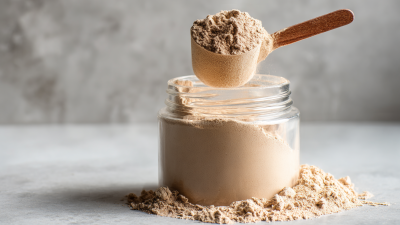
Use the recommended scoop with water or milk, then begin with half a serving if digestion is uncertain. Drink it after a meal or workout, rather than relying on it all day. Pair extra calories with resistance training, sleep, and regular meals. Keep the container sealed and the scoop dry. Stop using it if you notice rash, breathing trouble, severe cramps, or persistent diarrhea. A common mistake is chasing rapid weight gain. Slow progress is often easier to monitor, and some gained weight may be body fat rather than muscle. I would reassess the plan every few weeks instead of trusting the package claims.