Leave Your Message

What Is Protein Powder and Which Type Is Best?

What Is Protein Powder and Which Type Is Best? This question sounds simple, yet the answer depends on your diet, digestion, budget, and training goals. Protein Powder is concentrated food, not a shortcut to health. Manufacturers usually make it from milk, eggs, soy, peas, rice, or other protein-rich sources. Each type has different amino-acid profiles, textures, costs, and tolerability.

Sports nutrition researcher Dr. Stuart Phillips has said, “Protein is a nutrient, not a magic bullet.” That reminder matters. Whey protein digests efficiently and contains all essential amino acids. Casein digests more slowly, which may suit people who prefer a fuller evening snack. Soy provides complete plant protein. Pea and rice powders can work well together, although their textures may feel chalky. Small details matter. A gritty shake can change your habits quickly.

This guide will compare common Protein Powder types using evidence from nutrition research and practical experience. It will examine protein quality, digestion, added sugar, allergens, third-party testing, and serving size. A product with an impressive label may still be a poor fit. Conversely, a plain, affordable powder may support a useful routine. I may favor whey for convenience, but that preference is not universal. Some readers will digest plant protein better. Others may need lactose-free choices.

The most reliable decision begins with your actual meals. Check what your diet lacks before buying a tub. Then consider safety, taste, and consistency. No supplement replaces balanced food, resistance training, sleep, or medical advice when health conditions are involved.
What Is Protein Powder and Which Type Is Best?

What Is Protein Powder? Definitions, Sources, and Typical Protein Content

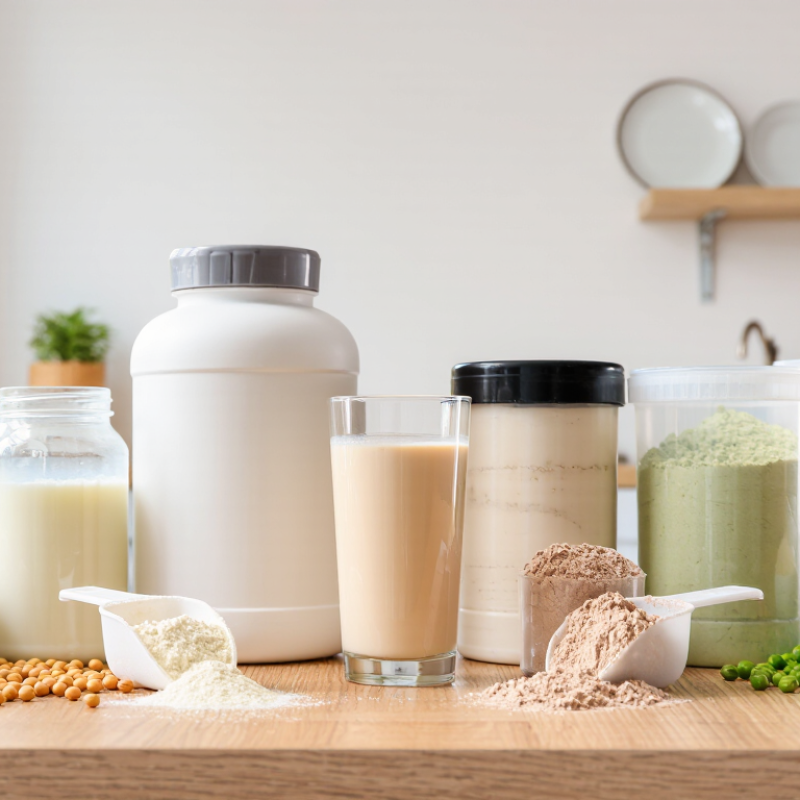
Protein powder is a concentrated food made by separating protein from milk, eggs, plants, or other permitted food sources. Most products provide about 20–30 grams of protein per scoop. Protein usually makes up roughly 70–90% of the powder’s weight, though formulas vary. The remaining ingredients may include flavoring, sweeteners, minerals, or added carbohydrates.

Milk-based powders include whey and casein. Whey digests relatively quickly, while casein forms a slower-digesting source. Soy, pea, rice, and other plant proteins suit different dietary needs. Plant powders may contain less of some essential amino acids, but blended formulas can improve their amino acid balance. Collagen powder is different. It supplies protein, but it is not a complete protein for supporting muscle growth.

The best type depends on digestion, allergies, dietary choices, and the protein needed from each serving. I once assumed the highest protein number meant the best product. That shortcut was too simple. A person with lactose intolerance may tolerate a carefully filtered milk protein, or may prefer a plant source. Check the ingredient list, serving size, and independent quality testing. Look for clear protein amounts rather than vague “support” claims. Research generally supports adequate daily protein, but individual needs vary with body size, training, age, and health status. Powder is convenient, not automatically superior to beans, eggs, fish, dairy, or tofu.
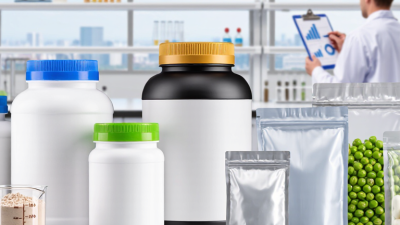
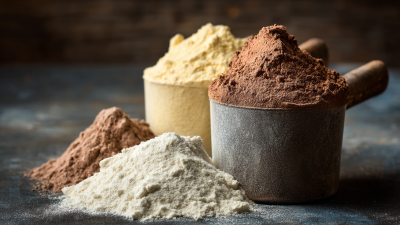
How Is Protein Powder Made? Filtration, Drying, and Quality-Control Standards

Protein powder begins with a surprisingly ordinary material: milk, peas, rice, eggs, or soybeans. FAO’s Food Outlook 2023 estimated global milk production at about 950 million tonnes. That supply supports concentrated dairy proteins, but raw material quality still varies by season, animal feed, and storage conditions.

For whey, processors separate liquid whey from curds, then use microfiltration or ultrafiltration. These membranes remove much of the fat, lactose, and water while retaining protein. Diafiltration adds clean water to improve separation. Plant proteins require milling, soaking, centrifugation, and drying. The liquid concentrate then enters a spray dryer. Tiny droplets meet hot air and become fine powder within seconds. The process looks simple. It is not.

Quality control should follow documented GMP systems, validated laboratory methods, and traceable batch records. AOAC methods help laboratories measure protein, moisture, and contaminants consistently. The FDA’s Current Good Manufacturing Practice rules also require identity testing and controls against contamination. Protein content alone can mislead. A powder may test high in nitrogen yet contain less usable protein than expected. That is why amino-acid profiles and digestibility matter. The FAO’s protein-quality guidance highlights DIAAS as a useful approach for evaluating indispensable amino acids. However, no test captures every real-world variable. Heat exposure, moisture, and careless scooping can reduce quality after production. Consumers should inspect the ingredient list, lot number, testing evidence, and storage instructions. The label deserves skepticism.

What Is Protein Powder and Which Type Is Best? — How Is Protein Powder Made? Filtration, Drying, and Quality-Control Standards

Protein Type Primary Source Typical Protein Content How It Is Made Amino Acid Profile and Digestibility Best Suited For Important Considerations
Whey Concentrate Milk, separated during cheese or dairy production Usually about 70–80% by dry weight Milk is clarified and pasteurized; whey is separated, filtered, concentrated, spray-dried, and blended. Complete dairy protein with substantial leucine and other essential amino acids; generally rapidly digested. General sports nutrition, recovery, and increasing daily protein intake. Contains lactose and milk proteins; protein and lactose levels vary by filtration and formulation.
Whey Isolate Milk-derived whey Typically 85–90% or more by dry weight Additional microfiltration or ultrafiltration removes more lactose, fat, and minerals before concentration and spray drying. Complete, highly digestible protein with a high proportion of essential amino acids. People seeking a higher protein-to-calorie ratio or lower lactose content. Usually lower in lactose than concentrate, but it is not necessarily lactose-free; it can cost more.
Milk Protein Concentrate Whole milk, retaining casein and whey fractions Commonly about 70–85% by dry weight Milk is filtered to remove part of the lactose and minerals, then concentrated and dried. Complete dairy protein; digests more gradually than whey because it contains a substantial casein fraction. Meal-support products and applications requiring a sustained protein release. Contains milk proteins and variable amounts of lactose.
Micellar Casein Milk casein Often about 80% by dry weight Casein is separated from milk using membrane filtration and low-temperature processing, followed by concentration and drying. Complete protein that forms a slower-digesting structure in the stomach. People who prefer a slower-digesting protein between meals or before sleep. Contains milk proteins; mixing and texture can be thicker than whey.
Egg White Protein Egg whites Usually about 80–90% by dry weight Egg whites are separated, pasteurized, concentrated, and spray-dried into a powder. Complete animal protein with good digestibility; naturally low in lactose and dairy components. People avoiding dairy or looking for a non-dairy animal protein. Not suitable for individuals with egg allergy; flavor and foaming properties may affect recipes.
Soy Protein Isolate Soybeans Generally 90% or more by dry weight Soybeans are milled and defatted; proteins are extracted in water, separated from insoluble material, concentrated, and dried. Complete plant protein with relatively strong essential-amino-acid content; digestibility is generally high for a plant protein. Plant-based diets and people avoiding dairy or egg ingredients. Soy is a major allergen; flavor, processing method, and formulation can affect acceptability.
Pea Protein Isolate Yellow peas Typically about 80–85% by dry weight Peas are milled; starch and fiber are separated from the protein fraction using water-based extraction, centrifugation, concentration, and drying. Good source of essential amino acids but relatively lower in methionine; often combined with rice protein. Vegan diets and dairy-free formulations. May have an earthy taste or gritty texture; legume sensitivities should be considered.
Rice Protein Concentrate or Isolate Brown or white rice Approximately 70–85% by dry weight, depending on processing Rice is milled and treated with enzymes to separate starch from protein, followed by filtration, concentration, and drying. Usually lower in lysine; often paired with pea protein to create a more complementary amino-acid profile. Vegan diets and people avoiding soy, dairy, and egg. May be less smooth than dairy proteins; raw-material testing for contaminants is important.
Hemp Protein Hemp seeds Commonly about 45–60% by dry weight Seeds are mechanically pressed or milled to remove part of the oil, then the remaining cake is ground and sieved. Provides protein along with fiber and residual fats; amino-acid quality is generally lower than whey or soy isolates. Whole-food-oriented plant-based diets. Lower protein density and a more pronounced nutty flavor; fiber and fat can affect mixing.

Main Manufacturing Stages

Stage Purpose Typical Controls
Raw-Material Inspection Confirms that milk, eggs, soybeans, peas, rice, or other inputs meet specifications before processing. Identity, supplier approval, moisture, sensory condition, allergens, pesticide residues, and microbiological status.
Separation and Extraction Separates protein from water, fat, lactose, starch, fiber, minerals, or other non-protein components. Temperature, pH, flow rate, filtration performance, sanitation, and prevention of cross-contact.
Filtration and Concentration Increases protein concentration while preserving the intended functional properties. Membrane integrity, protein percentage, lactose or fat level, mineral content, and process yield.
Drying Converts the liquid protein concentrate into a stable powder for storage and transport. Inlet and outlet temperatures, residual moisture, water activity, powder flow, and protection from excessive heat exposure.
Blending and Packaging Creates a uniform final product and protects it from moisture, oxygen, light, and contamination. Batch uniformity, label accuracy, allergen controls, packaging seal integrity, lot coding, and traceability.

Quality-Control Standards and Selection Criteria

Quality Dimension What Should Be Verified Why It Matters
Protein Identity and Potency The declared protein source matches the actual ingredient, and protein content is measured using a validated analytical method. Confirms authenticity and helps ensure that the product delivers its stated protein amount.
Microbiological Safety Testing and environmental monitoring for pathogens and indicator organisms, according to applicable food-safety requirements. Low-moisture powders can still carry microorganisms if raw materials or processing controls are inadequate.
Moisture and Water Activity Measurement of residual moisture and water activity after drying and during shelf-life testing. Helps control clumping, oxidation, microbial growth, and loss of product quality.
Heavy Metals and Environmental Contaminants Risk-based testing for elements such as lead, cadmium, arsenic, and mercury, plus relevant agricultural or environmental contaminants. Plant-based ingredients can accumulate contaminants from soil or water, so sourcing and testing are important.
Allergen and Cross-Contact Control Clear identification of milk, egg, soy, wheat, and other regulated allergens, with validated cleaning and segregation procedures. Protects people with allergies and supports accurate labeling.
Good Manufacturing Practices Documented sanitation, preventive controls, employee hygiene, equipment maintenance, batch records, and traceability. Provides a repeatable framework for producing safe, consistent food ingredients.
Best Type for the Individual Consider protein goal, dietary pattern, allergies, lactose tolerance, digestibility, flavor, texture, and total daily diet. There is no universally best protein powder; the most suitable choice is the one that meets nutritional needs and can be used consistently.

Which Protein Types Exist? Whey, Casein, Soy, Pea, and Rice Compared

Protein powder is concentrated protein made from milk, eggs, or plants. People mix it with water, milk, or smoothies for convenient nutrition. In practice, the best type depends on digestion, dietary preferences, training goals, and overall eating habits.

Whey digests quickly and contains all essential amino acids, making it useful after exercise. Casein digests more slowly and may feel heavier before sleep. Both come from milk, so lactose-sensitive users may experience bloating, although lower-lactose options can be easier.

I once assumed faster absorption always meant better results. That view was too simple. Daily protein intake matters more than timing alone.

Soy protein is plant-based and complete, with a balanced amino acid profile. Pea protein provides useful protein but contains less methionine, while rice protein is lower in lysine. Combining pea and rice can improve their overall amino acid balance.

Plant powders may feel grainier, and their flavor can change noticeably in cold water. Check the ingredient list for added sugar, unnecessary stimulants, and clear serving information.

Independent quality testing is also valuable, because powders can vary between batches. Anyone with kidney disease, food allergies, or ongoing digestive symptoms should discuss protein supplements with a qualified healthcare professional.

How Much Protein Is Needed? RDA 0.8 g/kg and ISSN’s 1.4–2.0 g/kg

Protein powder is a concentrated food supplement, not a special muscle-building drug. It can help when meals are rushed or appetite is low. The key question is total daily protein. For healthy adults, the RDA is 0.8 g/kg of body weight each day. That equals about 56 grams for a 70-kilogram adult. This target is a baseline, not a universal performance goal.

The International Society of Sports Nutrition recommends 1.4–2.0 g/kg daily for exercising people. A 70-kilogram lifter would need roughly 98–140 grams.

Training volume, age, energy intake, and goals can shift the useful range. More is not automatically better.

Splitting protein across meals may be practical, with roughly 20–40 grams per meal for many adults. That number is not a prescription. Individual digestion differs.

Whey, milk-derived, and plant powders can all support daily protein intake when planned carefully. Check serving size, protein grams, added sugar, and independent quality testing. A scoop should not replace vegetables, legumes, grains, or ordinary meals.

People with kidney disease, pregnancy, or medical treatment should consult a qualified clinician. I often see people chase higher numbers while sleeping poorly and eating too little. The calculation looks precise, but real life is messier. Reassess after several weeks of training, recovery, and appetite changes.

Which Protein Powder Is Best? Choosing by Goals, Diet, and Testing Data

Protein powder is concentrated protein from milk, eggs, or plants. It can fill nutrition gaps when meals are rushed. It should not replace a varied diet. The best option depends on your goal, digestion, budget, and regular meals. For muscle growth, choose a complete protein with enough leucine to support training. For weight management, a lower-calorie powder may make portions easier to control. Your total daily protein matters more than the powder alone.

Whey and casein suit people who tolerate dairy. Whey digests quickly, while casein digests more slowly. People avoiding dairy may choose soy, pea, rice, or blended plant proteins. Blends can improve the amino acid balance. Still, “plant-based” does not automatically mean better. Check protein per serving, added sugar, fiber, and digestive ingredients. A short ingredient list helps.

Testing data deserves close attention. Look for independent laboratory testing, batch-specific results, and checks for heavy metals, microbes, and label accuracy. A clean package proves little. A certificate also needs a date and testing scope. I can be too impressed by impressive protein numbers. Real serving size, taste, and digestion often decide whether a powder gets used consistently. Start with a small container when possible. Notice bloating, texture, and recovery over several weeks, then adjust rather than trusting marketing claims.